Zebra mussel
Adapt to better protect the lake!
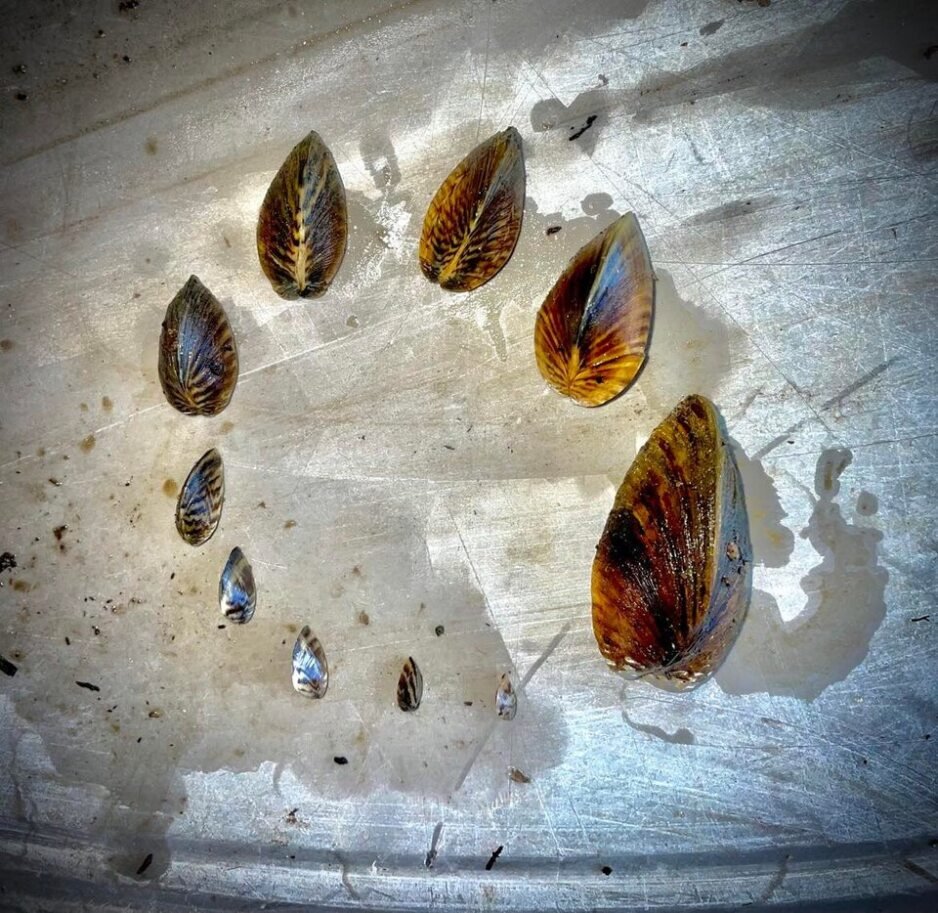
In 2022, Bleu Massawippi’s scientific divers carried out numerous dives, which revealed that zebra mussels were primarily concentrated in the northern part of the lake, with densities still low.
In 2023, a record number of dives helped slow the spread of mussels toward the southern part of the lake. Most dives focused on the northern section, where mussel densities were higher.
In 2024, despite a reduction in the number of dives due to limited resources, several removal dives continued to help curb the mussels’ spread. Very few individuals were found in the southern area. At that time, it was noted that without additional funding, Bleu Massawippi would not be able to maintain removal operations at the same level as in 2023.
Together, local residents, lake users, and numerous partners contributed to slowing the spread of zebra mussels across the lake. This collective effort created a unique opportunity to study the development of this invasive species from its initial appearance and early detection in a lake, while also allowing for the testing and development of new control and detection technologies. In recent years, innovation has played a central role in the interventions implemented.
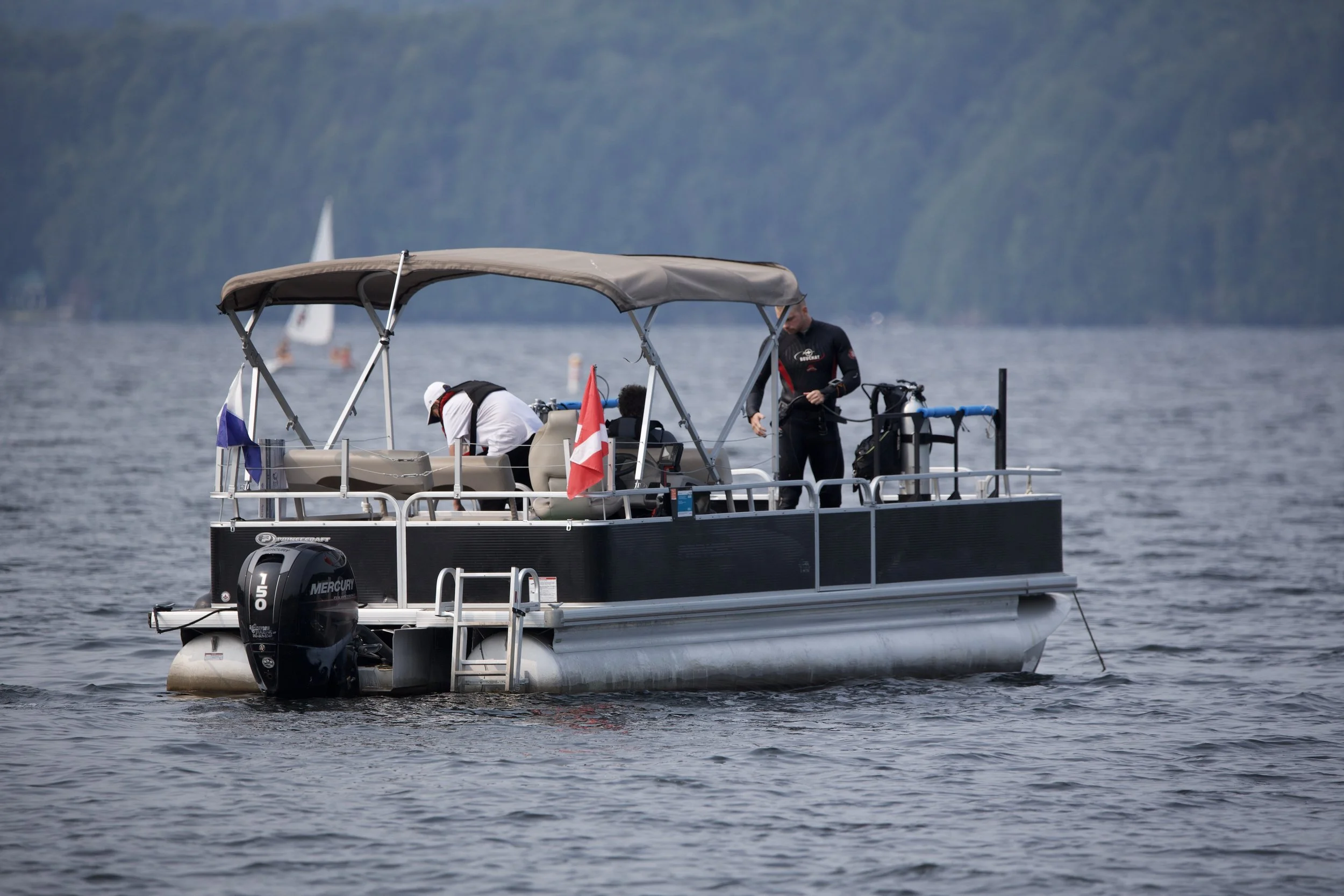
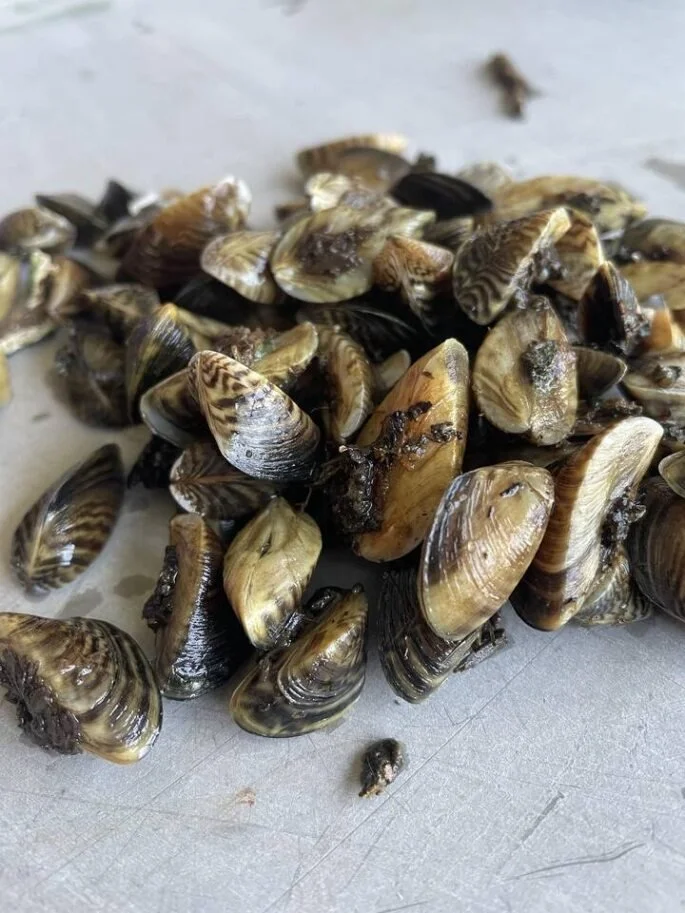
Table 1. Summary of manuel zebra mussel removal operations from 2022 to 2024.

All STOP Zebra mussel projects
For more information on the results of the projects, please consult the annual STOP Zebra mussel reports, available here.
Zebra mussels in our region and our lake
The discovery of zebra mussels in Lake Memphremagog in 2017 led to increased monitoring and preventive measures at Lake Massawippi. Thanks to these efforts, the arrival of this species in lake Massawippi was delayed by more than four years, and its early detection in fall 2021 made it possible to identify a population that was still small and vulnerable.
Beginning in early 2022, Bleu Massawippi intensified its efforts to protect the lake, including the deployment of scientific divers for manual removal of mussels, as well as the implementation of various population monitoring projects.
Removal dives and zebra mussel dive school
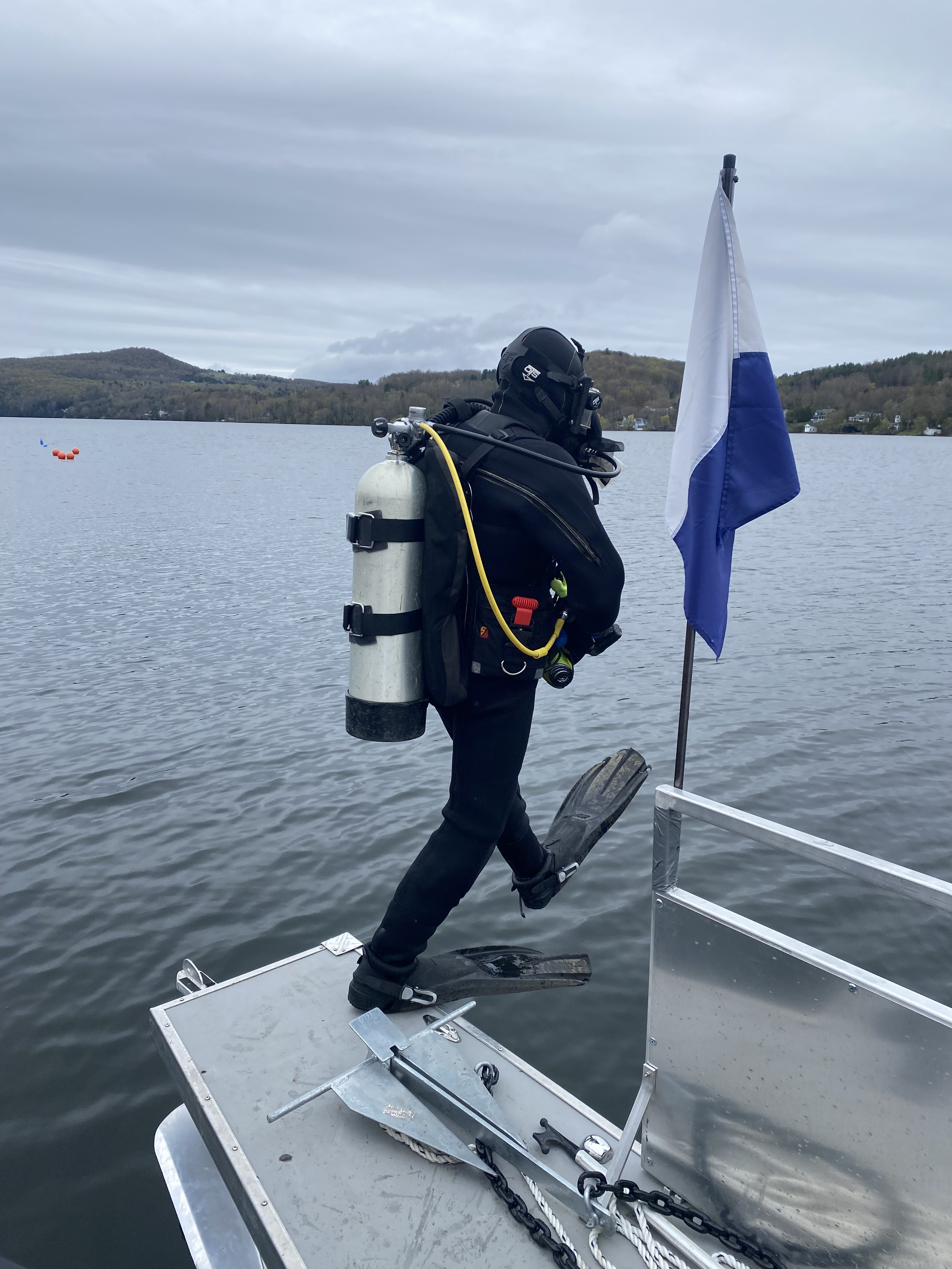
Manual removal dives for zebra mussels began in the early winter of 2021, allowing the first cohort of mussels to be removed and reducing the species’ opportunities for reproduction. Starting in 2022, a large-scale operation, unprecedented in Canada, was launched to carry out removal dives from spring through fall. Divers explored the lake bottom, where mussels were typically found in high densities, and using a georeferencing app along with inflatable surface markers, they mapped search areas, assessed mussel densities, and removed the mussels. These substantial removal efforts have continued in subsequent years, with the methodology evolving to better adapt to changing conditions.
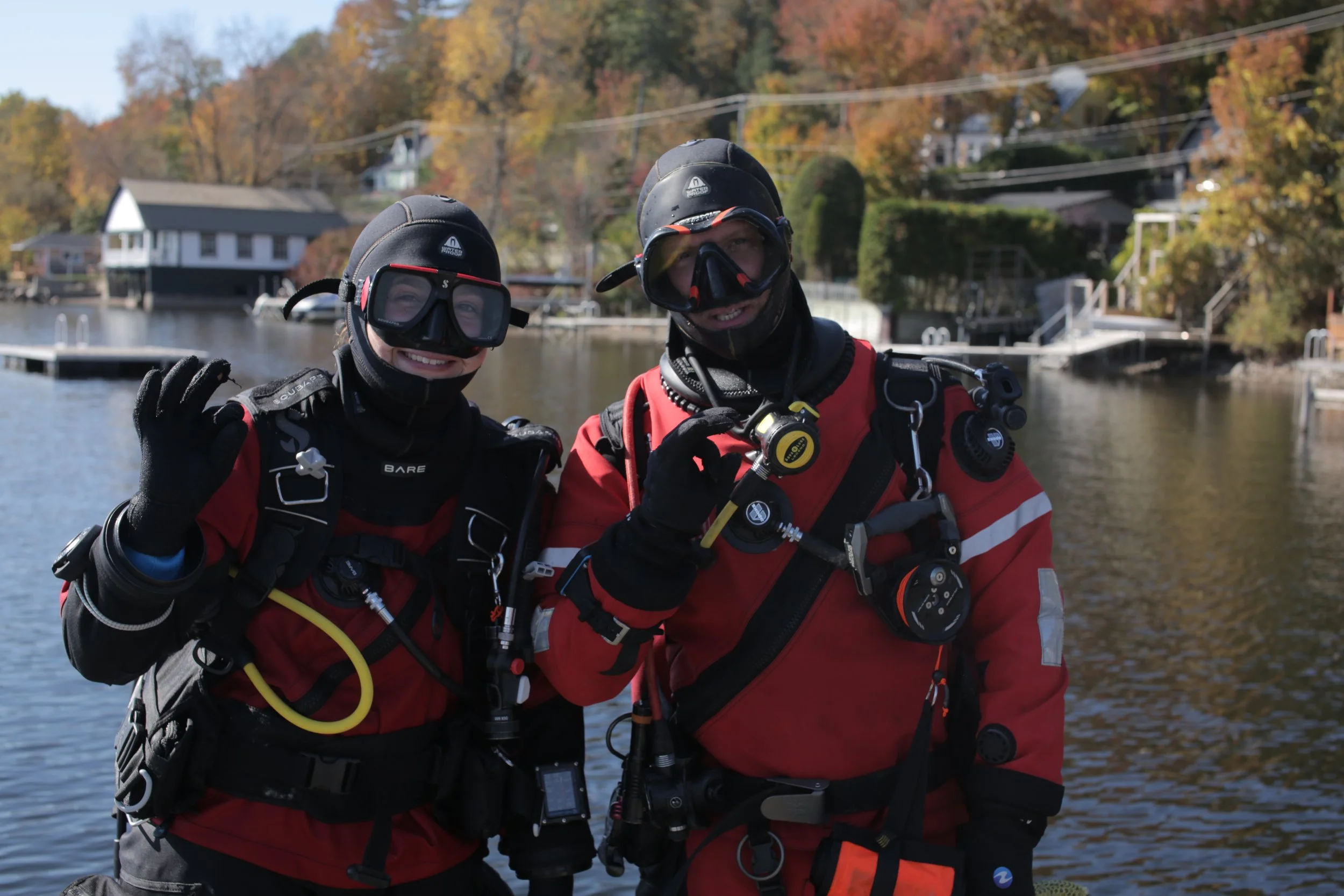
Bleu Massawippi also worked to train volunteer scientific divers to support control efforts. This dive school has trained more than twenty divers who have taken part in the removal operations.
In 2022, 21 stations were surveyed around Lake Massawippi. Zebra mussels were detected mainly in the northern half of the lake, suggesting they had not yet established in the southern portion.
Average zebra mussel densities were low compared to other lakes. The absence of detection in certain areas indicates a notable reduction in mussels, attributable to removal efforts.
In 2023, zebra mussels were detected in 8 of the 18 stations surveyed around the lake. That year, the species showed some progression toward the south, being present in the upper two-thirds of the lake, but had not yet established at the southern end.
Quadrat survey
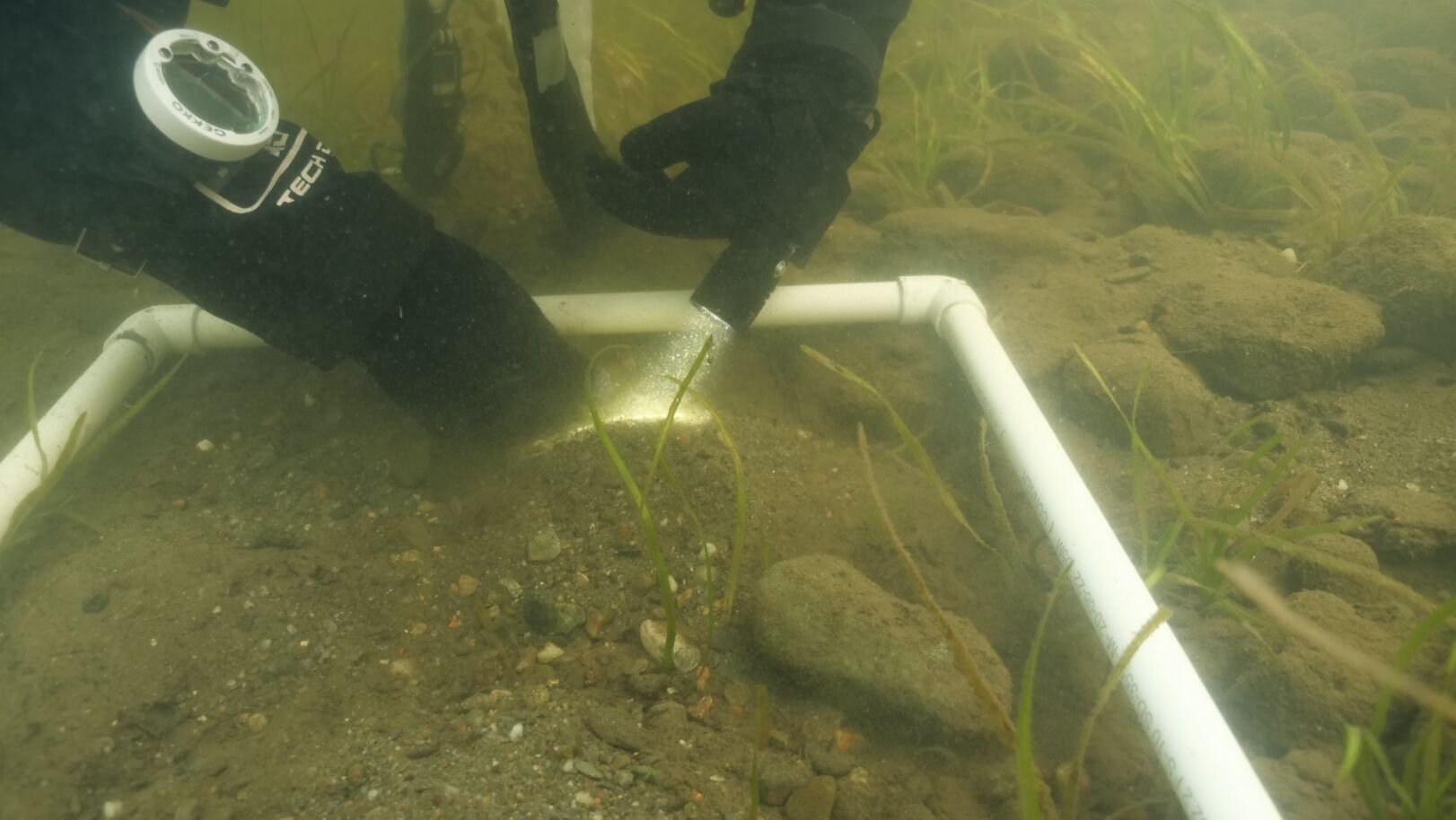
The quadrat survey protocol, conducted in collaboration with the MELCCFP, allowed for monitoring and quantifying zebra mussel populations in Lake Massawippi. Scientific divers inspected pre-established stations and assessed the environment for its suitability for mussel colonization.
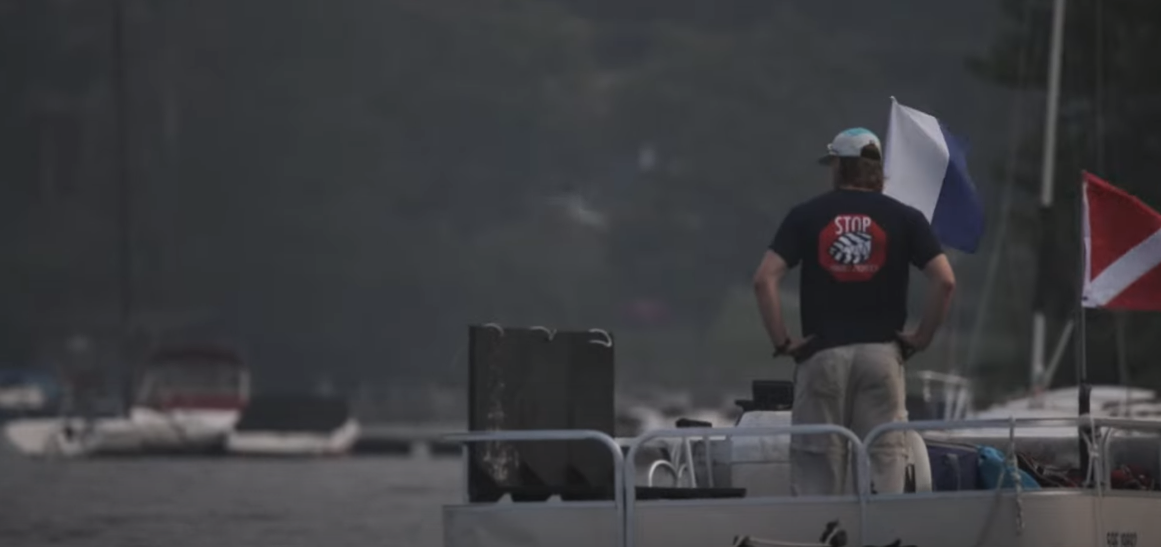
In 2024, 17 of the 18 surveyed stations revealed the presence of zebra mussels throughout the lake, including the southern end. Densities had also increased significantly compared to the previous year.
The project did not take place in 2025 due to a lack of financial resources.
Substrats
At Lake Massawippi, two friendly and collaborative methods were used to monitor the spread of zebra mussels across the lake: pyramid substrates and small collector substrates.
The small collector substrates are simple, user-friendly devices suspended at the end of docks in shallow water. They provided local residents with the opportunity to participate in data collection and contribute to the preservation of their lake. Although these devices have a more limited detection capability compared to the pyramid substrates, their combined use allowed for an overall view of zebra mussel spread.
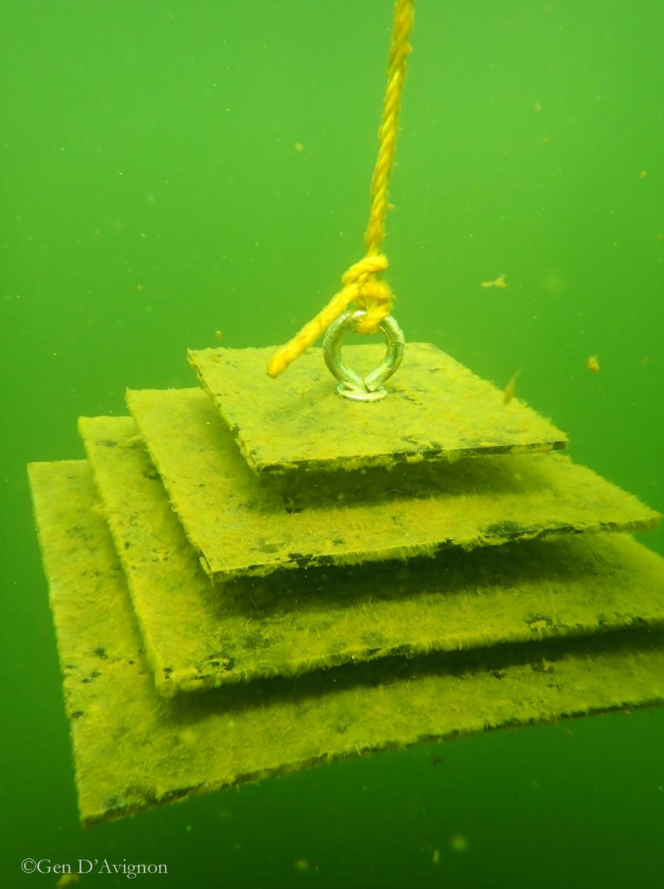
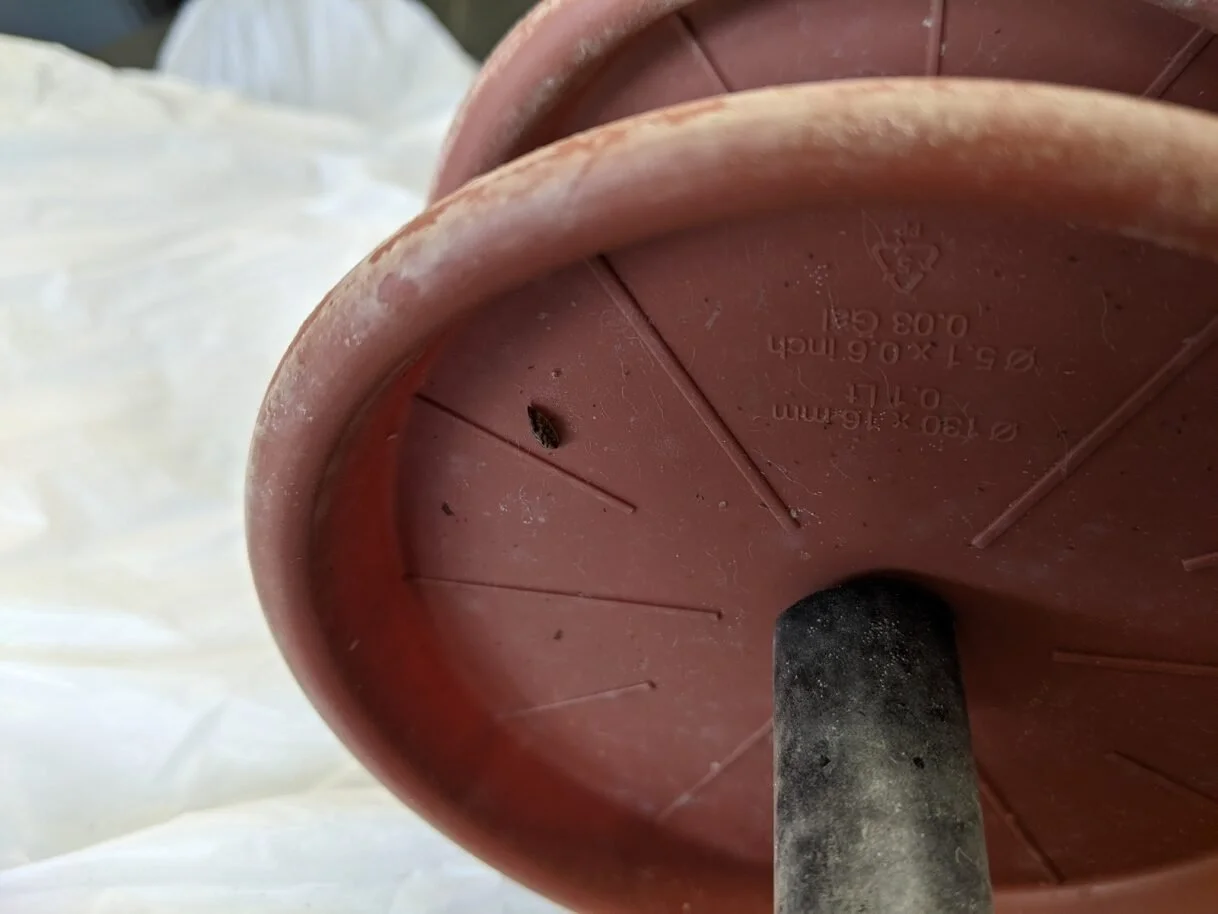
The pyramid substrates, on the other hand, are clever devices made of PVC plates, submerged about 2 m below the surface. Zebra mussel veligers, the larval stage, attach to them to grow, and the substrates are retrieved and inspected at the end of each field season in the fall. This method allows tracking the development of zebra mussels and comparing different areas and lakes.
This project took place over three years, from 2022 to 2024. Collector substrates were also installed in the Tomifobia and Massawippi rivers. In the first year, a few collector and pyramid substrates were colonized, mainly in the northern part of the lake, where the infestation was concentrated. In 2023, the substrates revealed a slight southward progression of zebra mussels in the lake, with no detection in the southern third or in the Massawippi River. Finally, in 2024, all installed collector substrates, except one, were colonized by zebra mussels, including the one in the Massawippi River. The number of mussels found on both collector and pyramid substrates was also significantly higher compared to previous years. A clear conclusion emerged: zebra mussels were present throughout the lake.
Since the presence of zebra mussels was confirmed throughout the lake and the project required significant human, material, and financial resources, the substrate project concluded in 2025.
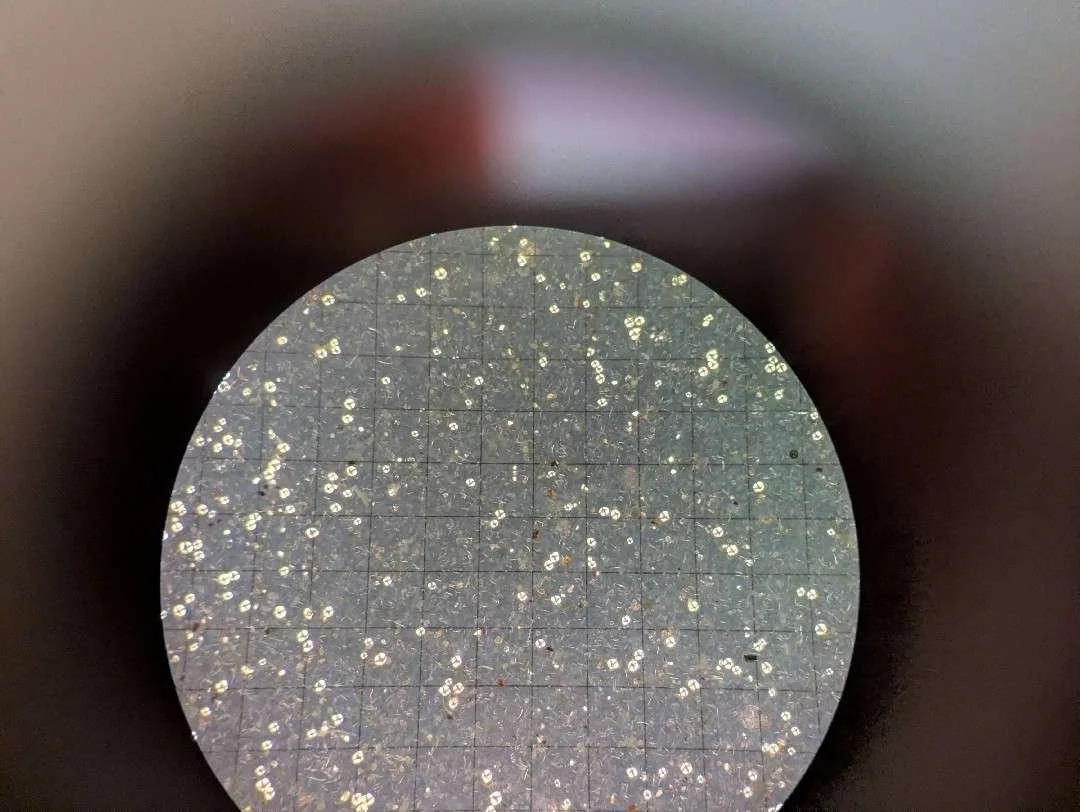
Veliger concentrations decreased between 2022 and 2023, then increased slightly in 2024. This trend highlights the effectiveness of removal operations: the high number of dives carried out in 2023 removed a large number of mussels, thereby reducing the species’ reproductive opportunities. Conversely, the reduction in removal efforts in 2024 contributed to an increase in veliger concentrations.
These data underscore the importance of boat cleaning. Although mussels may appear visually absent from a vessel, it is essential to remember that these larvae are invisible to the naked eye and the likelihood of their presence on a boat remains high.
Veligers monitoring
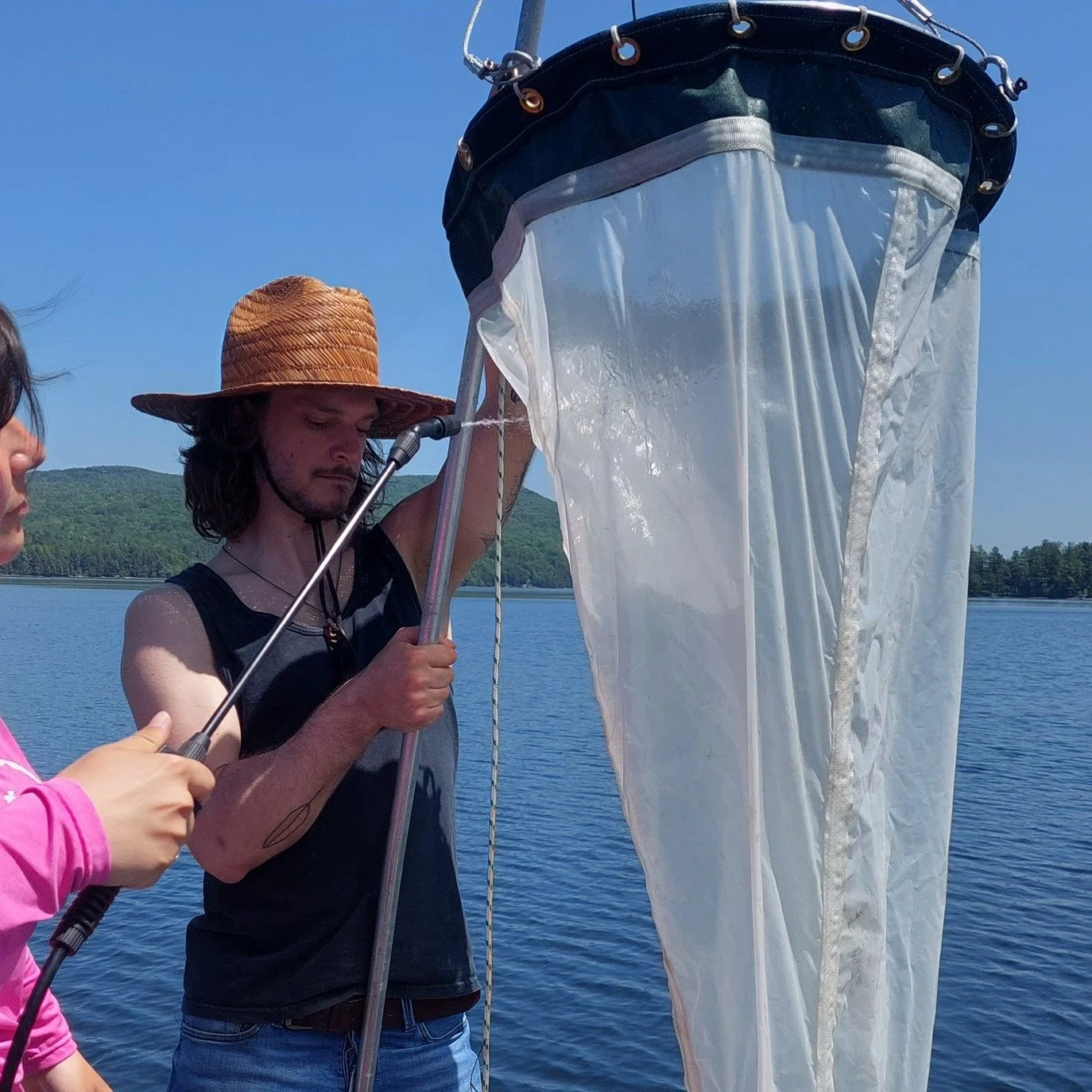
The veliger sampling protocol, conducted in collaboration with Fisheries and Oceans Canada, allows for monitoring microscopic zebra mussel larvae in Lake Massawippi. This method helps anticipate the arrival of new mussels, even though a direct link between veligers and the location of juvenile mussels cannot be established.
Data from 2022 to 2024 show that veligers are present in the lake as early as May, when water temperatures begin to rise. Primary abundance peaks do not appear to follow a clear pattern, occurring in mid-June, late June, and early August from 2022 to 2024, respectively. However, a secondary peak is observed each year between late June and July.
North Hatley boat wash station
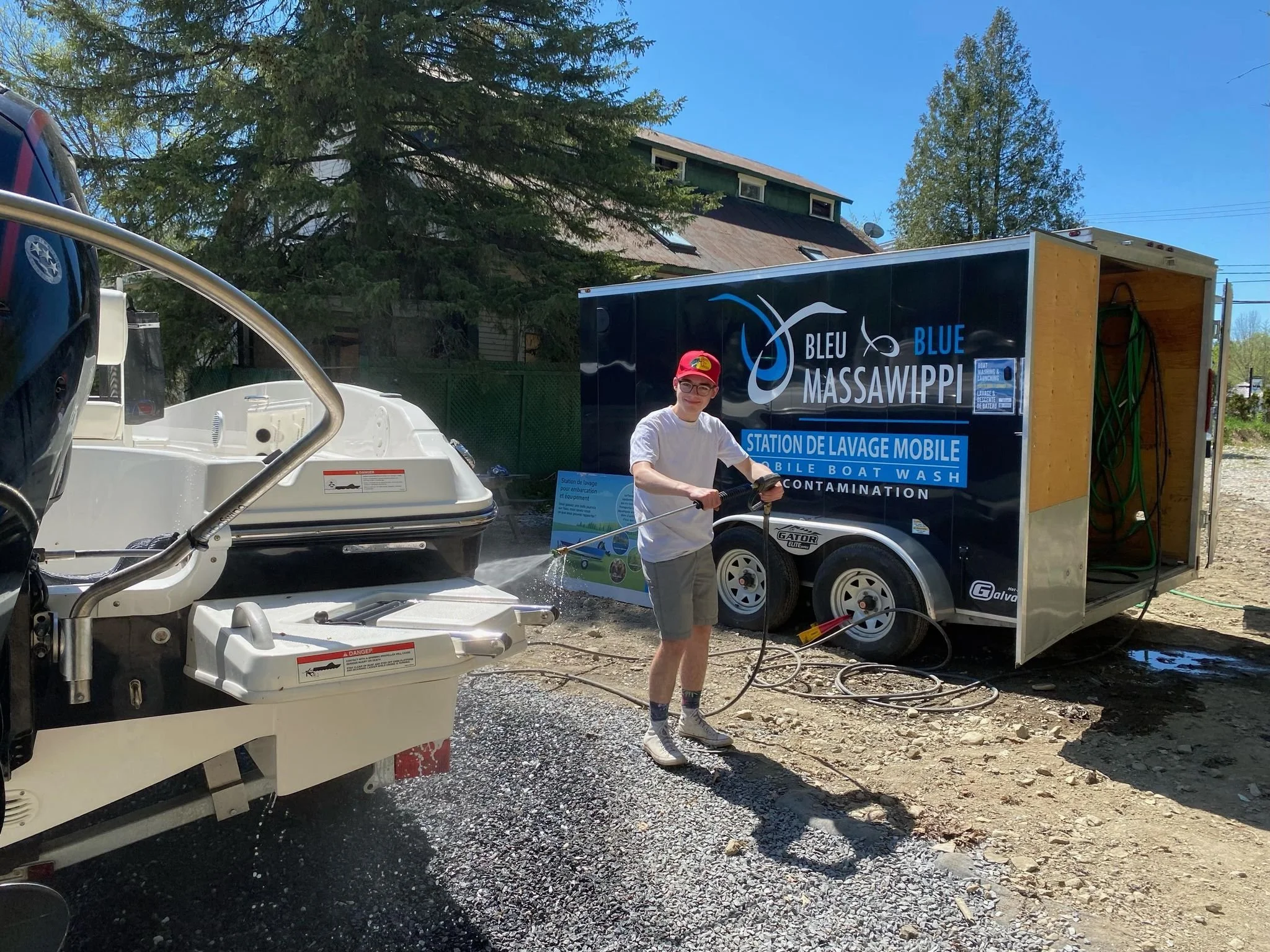
In 2022, 2024, and 2025, Bleu Massawippi collaborated with the Village of North Hatley to improve its boat wash service, which is essential for controlling zebra mussels and other invasive species. The mobile boat wash station operated throughout the summer season, with schedules ranging from 12 to 15 hours per day depending on the period.
Boat cleaning remains crucial to prevent the introduction of new larvae or other invasive species, even though zebra mussels are already present in Lake Massawippi.